
 ★ 8.7
WatchEpisodes
A yellow family of Springfield in its thirty-eighth season, a pirate in a straw hat who has sailed through more than eleven hundred episodes, the surgeons of a hospital of Seattle on their twenty-second year, a marshal of Dodge City who kept the peace for twenty seasons. This guide gathers 156 long runners of television, series of a hundred episodes or more, on twelve shelves: comedy and animation, with the animation for adults, the cartoons for children, the classic sitcoms and the sitcoms of the new century; crime, medicine and other worlds, with the crime procedurals, the medical dramas, science fiction and fantasy, and the anime; and drama across the decades, with the classics of the 1950s to 1970s, the teen dramas, the family dramas and the British long runners, with synopses, episodes and where to watch.
Browse Series
Animation for adultsAnimation for adults
See all (13)★ 8.7 ★ 8.0
 ★ 8.3
 ★ 7.4
 ★ 8.4
 ★ 7.0
 ★ 7.9
 ★ 7.8
 ★ 7.4
 ★ 7.6
 ★ 7.1
 ★ 7.5
Cartoons for childrenCartoons for children
See all (13) ★ 7.7
 ★ 8.5
 ★ 8.6
 ★ 8.5
 ★ 7.6
 ★ 7.9
 ★ 8.0
 ★ 7.0
 ★ 7.9
 ★ 7.6
 ★ 6.5
 ★ 6.4
Classic sitcomsClassic sitcoms
See all (13) ★ 8.4
 ★ 7.9
 ★ 8.3
 ★ 7.9
 ★ 8.1
 ★ 7.7
 ★ 7.5
 ★ 7.7
 ★ 7.9
 ★ 7.2
 ★ 7.4
 ★ 7.6
Sitcoms of the new centurySitcoms of the new century
See all (13)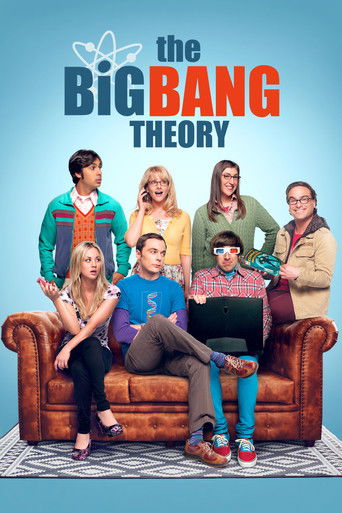 ★ 7.9
 ★ 8.1
 ★ 8.6
 ★ 8.5
 ★ 8.2
 ★ 7.4
 ★ 7.9
 ★ 8.0
 ★ 8.0
 ★ 7.2
 ★ 7.4
 ★ 8.3
Crime proceduralsCrime procedurals
See all (13)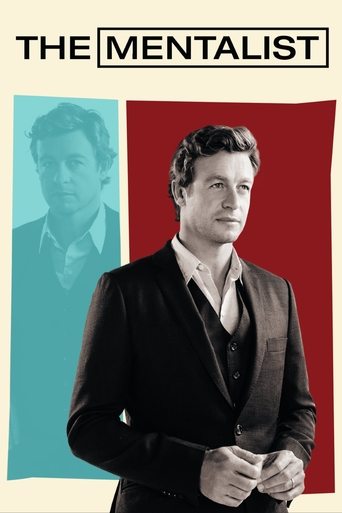 ★ 8.4
 ★ 8.0
 ★ 8.3
 ★ 8.2
 ★ 8.4
 ★ 7.6
 ★ 8.0
 ★ 7.7
 ★ 7.7
 ★ 7.6
 ★ 7.5
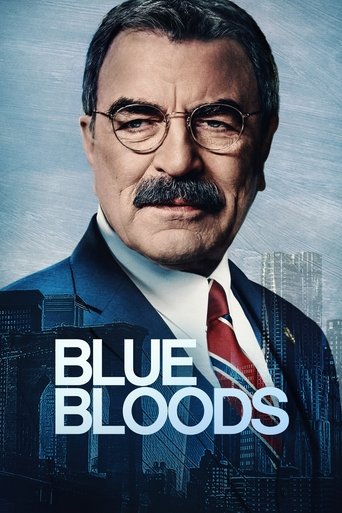 ★ 7.8
Medical dramasMedical dramas
See all (13)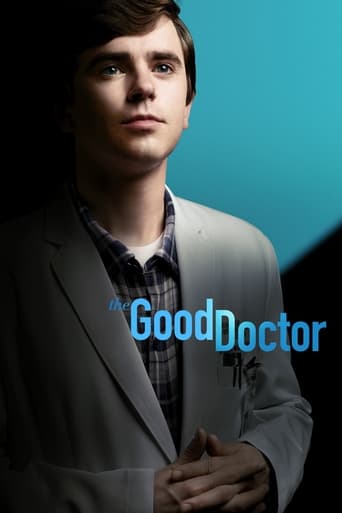 ★ 8.5
 ★ 8.2
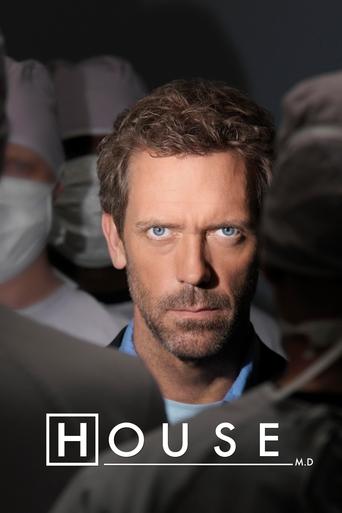 ★ 8.6
 ★ 8.3
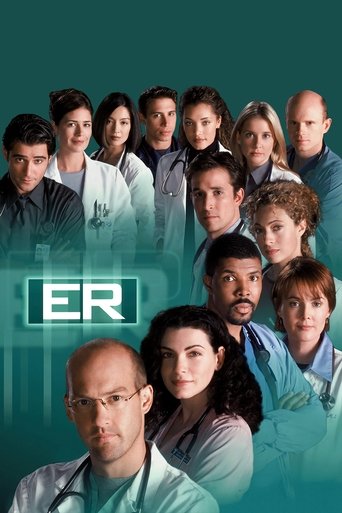 ★ 7.8
 ★ 7.2
 ★ 7.5
 ★ 8.2
 ★ 6.8
 ★ 6.6
 ★ 7.1
 ★ 7.5
Science fiction and fantasyScience fiction and fantasy
See all (13)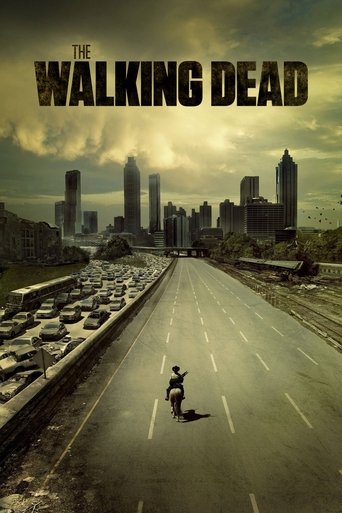 ★ 8.1
 ★ 7.7
 ★ 8.3
 ★ 8.3
 ★ 6.8
 ★ 8.2
 ★ 8.4
 ★ 8.2
 ★ 7.4
 ★ 8.1
 ★ 8.3
 ★ 8.4
Anime long runnersAnime long runners
See all (13) ★ 8.5
 ★ 8.4
 ★ 8.8
 ★ 8.4
 ★ 7.8
 ★ 8.4
 ★ 8.0
 ★ 8.5
 ★ 8.6
 ★ 7.9
 ★ 8.3
 ★ 8.0
Classics of the 1950s to 1970sClassics of the 1950s to 1970s
See all (13)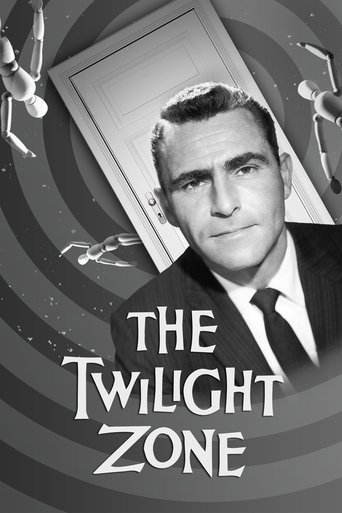 ★ 8.5
 ★ 8.0
 ★ 7.8
 ★ 7.5
 ★ 7.6
 ★ 7.9
 ★ 6.9
 ★ 7.5
 ★ 7.8
 ★ 7.6
 ★ 7.7
 ★ 7.3
Teen dramasTeen dramas
See all (13)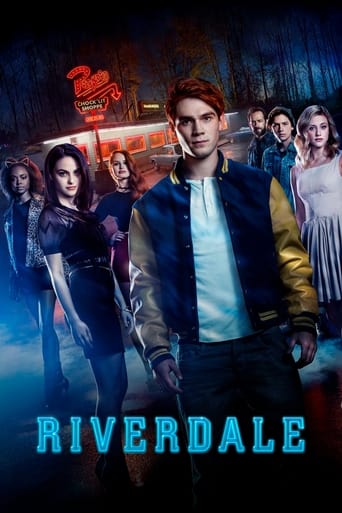 ★ 8.4
 ★ 8.4
 ★ 8.0
 ★ 8.1
 ★ 7.9
 ★ 7.8
 ★ 6.8
 ★ 7.7
 ★ 7.3
 ★ 7.1
 ★ 7.8
 ★ 7.3
Family dramasFamily dramas
See all (13) ★ 8.2
 ★ 7.9
 ★ 8.2
 ★ 7.9
 ★ 8.2
 ★ 7.5
 ★ 6.4
 ★ 7.5
 ★ 7.1
 ★ 5.9
 ★ 7.5
 ★ 8.3
British long runnersBritish long runners
See all (13) ★ 8.1
 ★ 7.5
 ★ 7.4
 ★ 7.5
 ★ 7.7
 ★ 8.3
 ★ 7.6
 ★ 7.5
 ★ 7.3
 ★ 6.8
 ★ 7.2
 ★ 7.2
The WatchEpisodes guide
The WatchEpisodes guide: the long runners of television
The long runners
WatchEpisodes is an English guide to 156 long runners of television, series that ran for a hundred episodes or more by the count that TMDB records. A long runner is a promise kept for years: the same family on the same couch every week, the same detectives in the same squad room, the same pirate crew sailing on season after season, so that viewers grow up with them and come back to them for the rest of their lives. The series sit on twelve shelves of thirteen, grouped in three families: comedy and animation; crime, medicine and other worlds; and drama across the decades. Every series has an English synopsis, the creators, the cast, the network, the list of its episodes and a Watch now button that opens it on JustWatch, which shows where it can be watched in your country.
Together the 156 series hold 1,691 seasons and about 42,300 episodes, an average of about 270 each; watched one after another, day and night, they would fill more than a year and a half. They carry about 374,400 votes on TMDB, with an average rating of 7.75, and 61 of them are rated 8 or more. The most voted is The Walking Dead, of 2010, the survivors of a world of zombies over eleven seasons and 177 episodes, with about 18,300 votes; the best rated is One Piece, of 1999, the pirates of Monkey D. Luffy, with an 8.8 and about 1,180 episodes. The guide Start with WatchEpisodes gives a first route through the shelves.
The oldest series of the guide, I Love Lucy, began in October 1951, when most American homes had only just bought their first television; the newest, from Riverdale and Young Sheldon to Black Clover, began in 2017. Between them, thirty series of the guide are still returning today with new episodes, from The Simpsons to Grey's Anatomy and One Piece. The guide Why series run long explains how a series reaches its hundredth episode.
The name and the look
The name WatchEpisodes says what a long runner is made of: episodes, hundreds of them, one after another. The Wayback Machine holds watchepisodes.tv and watchepisodes.com in October and November 2015 as a dark site of TV series, with a box of the trending series of the week, before the domains expired and were parked; the home page of 22 November 2015 and its stylesheet were read and measured. Only the look was measured; every picture and file of this site is new.
From that capture come the dark grey page, #181818; the near-black header, #090909, seventy pixels high, with a darker box for the logo and large links in a light weight, the current one in crimson, #E1184F; the boxes of a slightly lighter grey, #1B1B1B, with a thin border and a light title, and above all the box Trending Series, a ranked list of rounded rows, each with a crimson numbered circle, the name in pale grey and a small green arrow for a series on the rise. Here those ranked rows become the board Browse Series, with the twelve shelves numbered from 1 to 12 and the number of series of each shelf beside a green arrow. The guide The look of WatchEpisodes explains each colour.
How the long runners work
The series of the guide were chosen by hand from TMDB, among the series with a hundred episodes or more by the count of TMDB, or just under it for a few British series whose seasons are short, like Red Dwarf, Doc Martin and Dad's Army, which ran for many years with few episodes a year. Each series sits on a single shelf, and each shelf holds the thirteen most voted series of its kind with an English synopsis. The daily soap operas, which run to many thousands of episodes, were left aside, as were talk shows, reality shows and the news, so that the guide gathers the series that tell stories.
The twelve shelves are animation for adults, cartoons for children, classic sitcoms and the sitcoms of the new century for the first family; crime procedurals, medical dramas, science fiction and fantasy, and the anime long runners for the second; and the classics of the 1950s to 1970s, the teen dramas, the family dramas and the British long runners for the third. The three families each hold 52 series. The guide How the long runners work sums up the rules.
Why series run long
In American television a hundred episodes was long the magic number. A series that reached it, usually after four or five seasons, could be sold in syndication to local stations, which showed it every weekday, and the reruns paid for years of production; that is why so many series of the guide end between 100 and 300 episodes, and why the networks fought to keep a series alive until it crossed the line. The sitcoms of the guide, from Cheers to Friends and The Big Bang Theory, made seasons of twenty to twenty-four episodes; the procedurals, from Law & Order to NCIS, could run for twenty seasons because each case is complete in one episode, and a new detective can always replace an old one.
Japan and Britain followed other rules. The great anime of the guide are adapted from manga published every week in magazines like Weekly Shōnen Jump, and the series run every week of the year for as long as the manga lasts, so that One Piece, Detective Conan and Pokémon passed a thousand episodes. The British long runners are of two kinds: the police and medical dramas of ITV and the BBC, like The Bill and Silent Witness, made in many short seasons, and the comedies like Last of the Summer Wine, which ran for 37 years with a few episodes a year. Animation, finally, runs longest of all because its characters keep the same age on screen: Bart Simpson has been ten years old since 1989. The collection 500 episodes or more gathers the thirteen longest series of the guide, longest first.
Comedy and animation
The first family, Comedy and animation, holds the animation for adults, the cartoons for children, the classic sitcoms and the sitcoms of the new century. Its 52 series carry about 138,800 votes, with an average rating of 7.74, and its most voted are The Big Bang Theory, Rick and Morty, The Simpsons and Friends. The guide Comedy and animation sums up the family.
Animation for adults
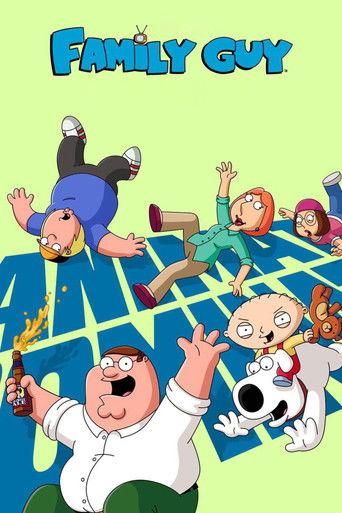
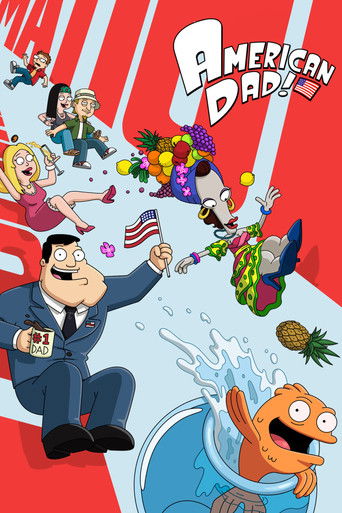
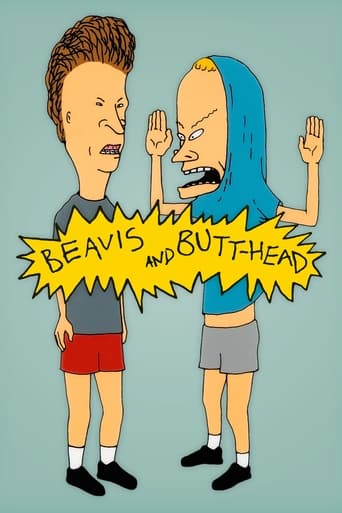
The shelf Animation for adults holds thirteen animated series from 1989 to 2013, and six of them come from FOX, the network of the Sunday nights of animation. Its oldest and longest is The Simpsons, of 1989, by Matt Groening, the yellow family of Springfield, in its thirty-eighth season with 808 episodes, the longest American scripted series in prime time, rated 8.0 with about 11,100 votes. Seth MacFarlane gave FOX two more, Family Guy, of 1999, with 456 episodes, and American Dad!, of 2005, with 401; Mike Judge made King of the Hill, of 1997, the family of a seller of propane in Texas, 275 episodes and returning, and before it Beavis and Butt-Head, of 1993, for MTV, 221 episodes. Bob's Burgers, of 2011, the family of the burger restaurant, has passed 300 episodes.
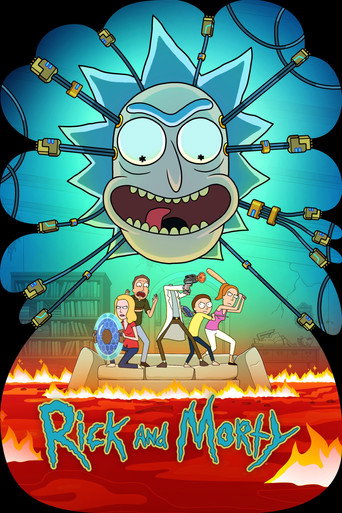
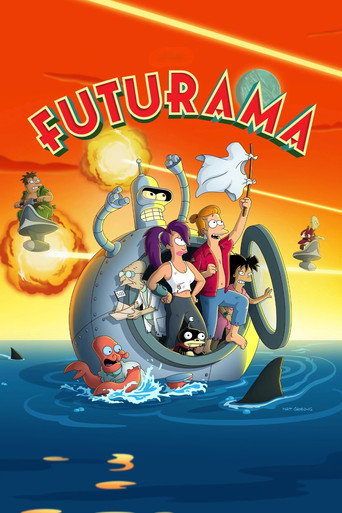
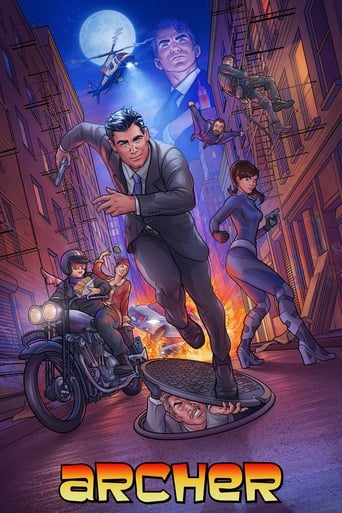
The most voted series of the shelf is Rick and Morty, of 2013, for Adult Swim, the scientist and his grandson across the universe, with about 11,500 votes, and the best rated, at 8.7; it is also the shortest of the shelf, with 91 episodes in nine seasons, close enough to a hundred to belong. South Park, of 1997, by Trey Parker and Matt Stone, has made 337 episodes in 29 seasons, each one written and animated in the week of its broadcast, rated 8.3; Futurama, of 1999, by Matt Groening, came back from cancellation twice and is rated 8.4. Archer, of 2009, for FX, the spy comedy, ran for fourteen seasons, and Adult Swim adds three: Robot Chicken, of 2005, the sketches of toys of Seth Green, 218 episodes; Aqua Teen Hunger Force, of 2000, and Squidbillies, of 2005. The guide Animation for adults follows the shelf.
Cartoons for children
The shelf Cartoons for children holds thirteen animated series from 1991 to 2013 of Nickelodeon, Cartoon Network, Disney and the public television, and it holds 4,610 episodes, more than any other comedy shelf. Its longest and most voted is SpongeBob SquarePants, of 1999, by Stephen Hillenburg, the sponge of Bikini Bottom, with 666 episodes in eighteen seasons by the count of TMDB, still returning, with about 3,300 votes. PAW Patrol, of 2013, the rescue dogs of Adventure Bay, has made 578 short episodes; Arthur, of 1996, for PBS, the aardvark and his friends, ran for twenty-five seasons and 493 episodes until 2022, and Peppa Pig, of 2004, the British pig of Channel 5, has made 492 episodes of five minutes.
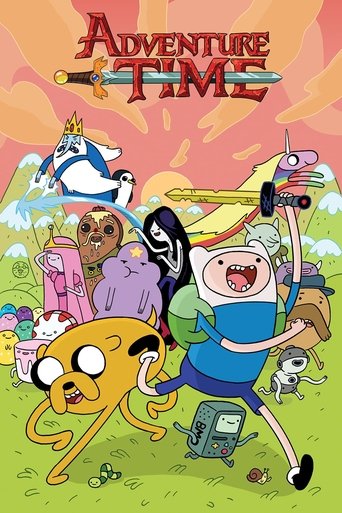
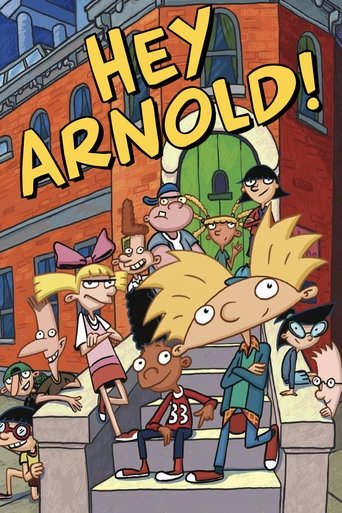
The best rated series of the shelf come from Cartoon Network: Regular Show, of 2010, rated 8.6; Adventure Time, of 2010, and The Amazing World of Gumball, of 2011, both at 8.5, and Ed, Edd n Eddy, of 1999, at 7.9. Nickelodeon gives the shelf Rugrats, of 1991, the babies who see the world from the floor, 322 episodes; The Fairly OddParents, of 2001, the boy with two fairy godparents, 268, and Hey Arnold!, of 1996, the boy with a head like a football, rated 8.0. Disney gives Phineas and Ferb, of 2007, two brothers who build a new wonder on every day of their summer holidays, with 261 episodes and returning, and Cartoon Network Teen Titans Go!, of 2013, with 454. The guide Cartoons for children follows the shelf.
Classic sitcoms
The shelf Classic sitcoms holds thirteen sitcoms from 1972 to 1998, and five of them come from NBC. Its most voted is Friends, of 1994, by David Crane and Marta Kauffman, the six friends of Manhattan, ten seasons and 228 episodes, with about 9,500 votes and an 8.4, the best rated of the shelf; its finale of 2004 was watched by about 52 million Americans. Seinfeld, of 1989, by Jerry Seinfeld and Larry David, the comedy of the small things of daily life, nine seasons and 180 episodes, is rated 8.3, and The Nanny, of 1993, with Fran Drescher, 8.1.
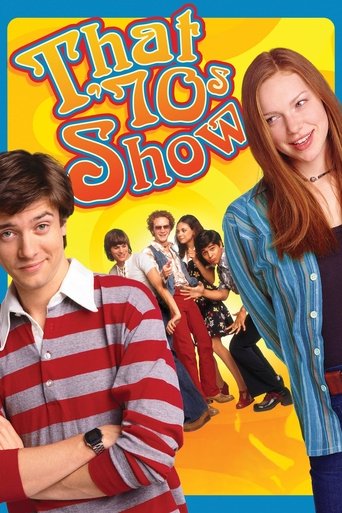
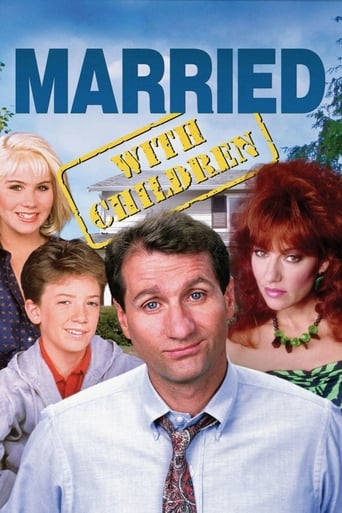
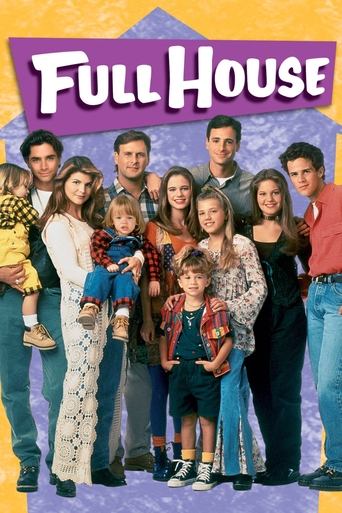
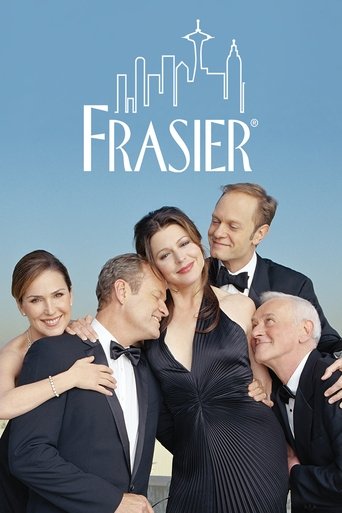
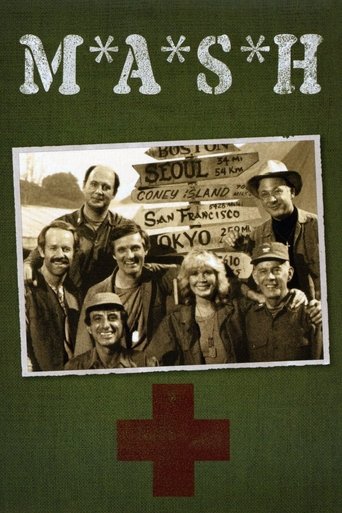
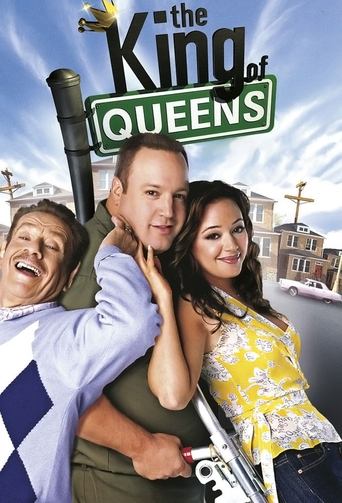
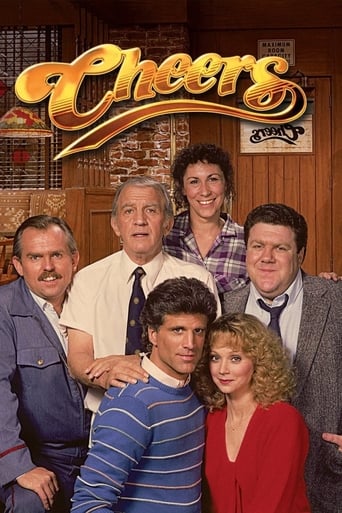
The longest sitcoms of the shelf ran for eleven seasons each. Cheers, of 1982, the bar of Boston where everybody knows your name, 269 episodes; Frasier, of 1993, its spin-off, the psychiatrist of the bar in Seattle, 264, and together they kept Kelsey Grammer in the same role for twenty years; Married... with Children, of 1987, the shoe salesman Al Bundy, 258 episodes, and M*A*S*H, of 1972, the surgeons of a field hospital of the Korean War, 251, whose last episode of 1983 is still one of the most watched broadcasts in the history of American television. The family sitcoms complete the shelf: The Fresh Prince of Bel-Air, of 1990, with Will Smith; That '70s Show, of 1998; Full House, of 1987; Home Improvement, of 1991, with Tim Allen; Everybody Loves Raymond, of 1996, and The King of Queens, of 1998. The guide Classic sitcoms follows the shelf.
Sitcoms of the new century
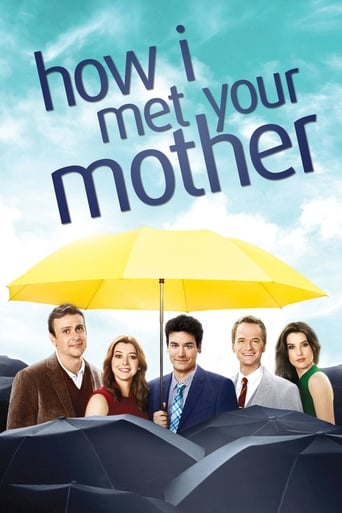
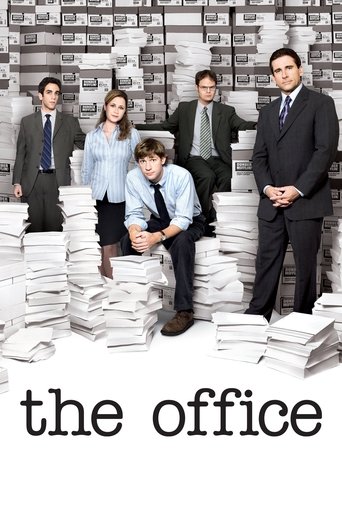
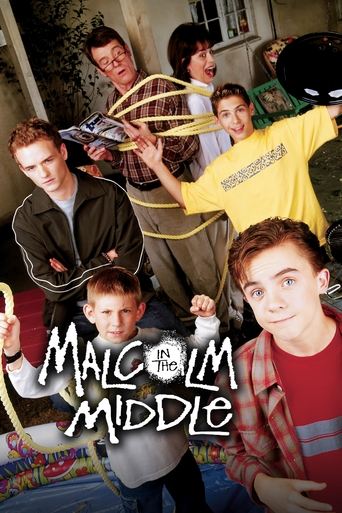
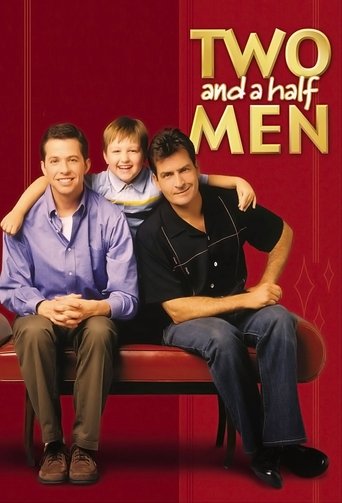
The shelf Sitcoms of the new century holds thirteen sitcoms from 2000 to 2017, and it is the best rated shelf of comedy, with an average of 7.93 and seven sitcoms rated 8 or more. Its most voted is The Big Bang Theory, of 2007, by Chuck Lorre and Bill Prady, the physicists of Pasadena, twelve seasons and 279 episodes, the longest multi-camera sitcom in the history of American television, with about 12,900 votes; its prequel Young Sheldon, of 2017, the childhood of Sheldon Cooper in Texas, ran for seven seasons and 141 episodes, and Chuck Lorre also made Two and a Half Men, of 2003, 262 episodes. The best rated is The Office, of 2005, by Greg Daniels, the paper company of Scranton, at 8.6, followed by Malcolm in the Middle, of 2000, at 8.5.
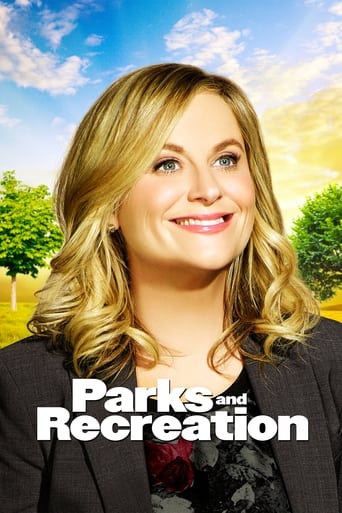
How I Met Your Mother, of 2005, the architect who tells his children the long story of how he met their mother, ran for nine seasons and 208 episodes; Modern Family, of 2009, the three households of the Pritchett family, eleven seasons and 250 episodes. It's Always Sunny in Philadelphia, of 2005, for FX, is the longest running live-action sitcom in American history, still returning after eighteen seasons. NBC gives the shelf Parks and Recreation, of 2009, and Superstore, of 2015; FOX gives New Girl, of 2011, and NBC and FOX together Brooklyn Nine-Nine, of 2013, saved by NBC after FOX cancelled it, rated 8.2. 2 Broke Girls, of 2011, for CBS, closes the shelf. The guide Sitcoms of the new century follows the shelf.
Crime, medicine and other worlds
The second family, Crime, medicine and other worlds, holds the crime procedurals, the medical dramas, science fiction and fantasy, and the anime long runners. It is the most voted family of the guide, with about 185,100 votes, and the best rated, with an average of 7.91, and its most voted are The Walking Dead, The Good Doctor, The Flash and Grey's Anatomy. The guide Crime, medicine and other worlds sums up the family.
Crime procedurals
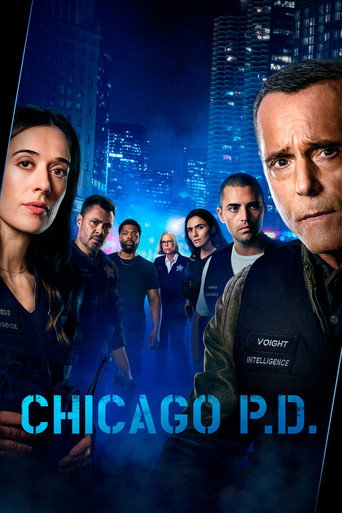
The shelf Crime procedurals holds thirteen series from 1990 to 2014, eight of them from CBS, and it holds 4,266 episodes, a case in nearly every one. Dick Wolf gives it its two longest: Law & Order: Special Victims Unit, of 1999, the detectives of sex crimes of New York, still returning after 27 seasons and 594 episodes, the longest-running drama in the history of American prime time, rated 8.0, and the original Law & Order, of 1990, 544 episodes, revived in 2022 after twelve years away. Dick Wolf also made Chicago P.D., of 2014, rated 8.4, still returning after thirteen seasons. NCIS, of 2003, the agents of the naval investigative service, has made 507 episodes in 23 seasons, and its spin-off NCIS: Los Angeles, of 2009, 323.
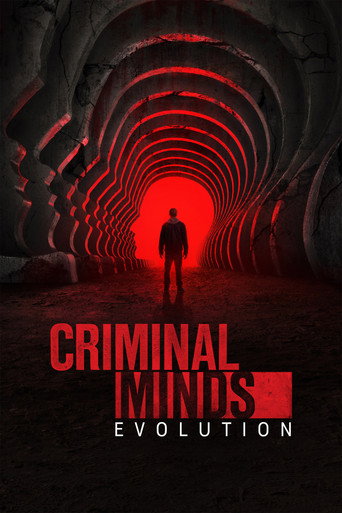
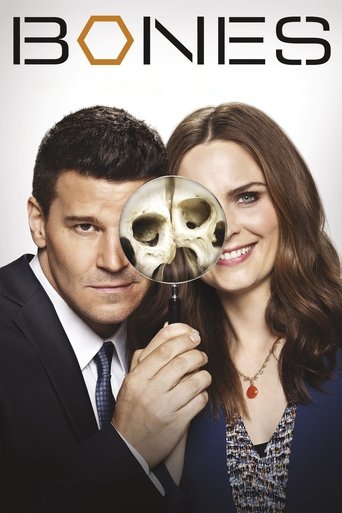
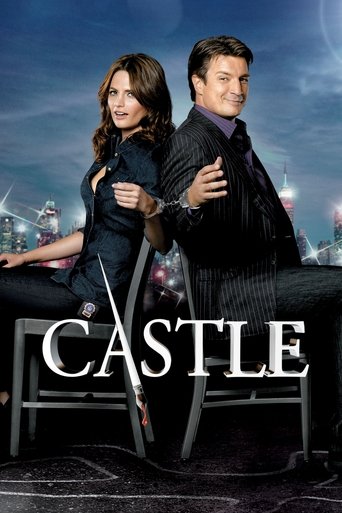
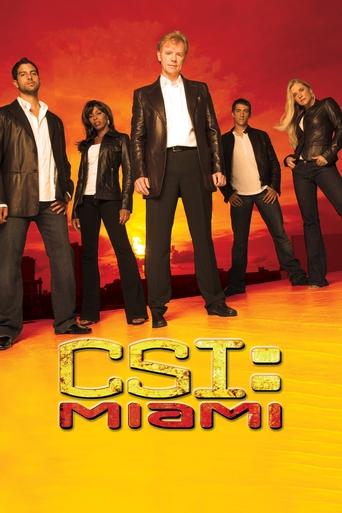
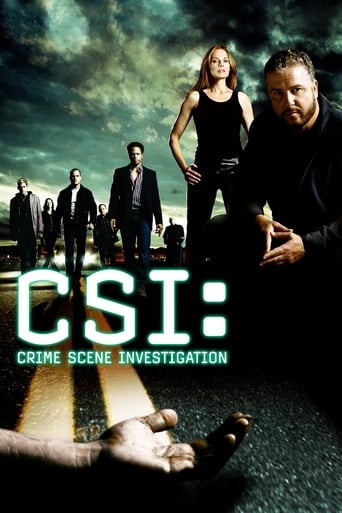
The most voted series of the shelf is The Mentalist, of 2008, with Simon Baker as a former psychic of television, 151 episodes, rated 8.4, the best of the shelf with Chicago P.D. Criminal Minds, of 2005, the profilers of the FBI, still returning after nineteen seasons and 364 episodes, is rated 8.3; Bones, of 2005, the forensic anthropologist of Washington, 8.2. The CSI franchise gives two: CSI: Crime Scene Investigation, of 2000, in Las Vegas, 335 episodes, and CSI: Miami, of 2002, 232. Castle, of 2009, the writer and the detective; Hawaii Five-0, of 2010, and Blue Bloods, of 2010, the family of police officers of New York with Tom Selleck, 293 episodes, complete it. The guide Crime procedurals follows the shelf.
Medical dramas
The shelf Medical dramas holds thirteen series from 1976 to 2017 of hospitals, surgeons and doctors who solve crimes, and five of them come from ABC. Its most voted is The Good Doctor, of 2017, with Freddie Highmore as a young surgeon with autism at a hospital of San Jose, seven seasons and 126 episodes, with about 13,000 votes and an 8.5, followed by Grey's Anatomy, of 2005, by Shonda Rhimes, the surgeons of Seattle, the longest-running medical drama in the history of American prime time, still returning after 22 seasons and 460 episodes, rated 8.2. The best rated is House, of 2004, with Hugh Laurie as the doctor who solves medical mysteries with a cane and a sneer, 176 episodes, at 8.6.
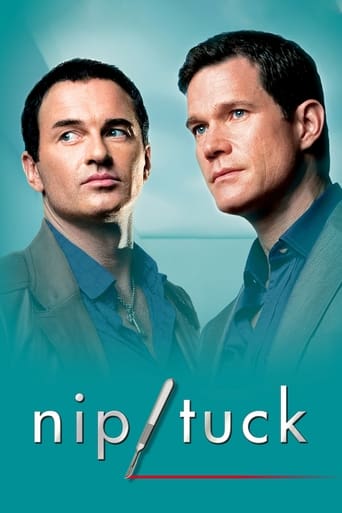
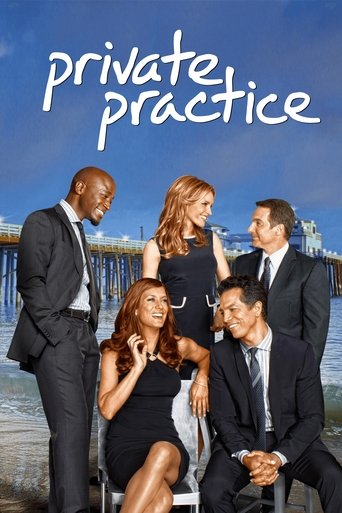
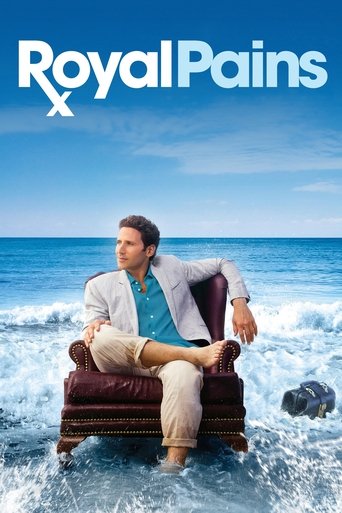
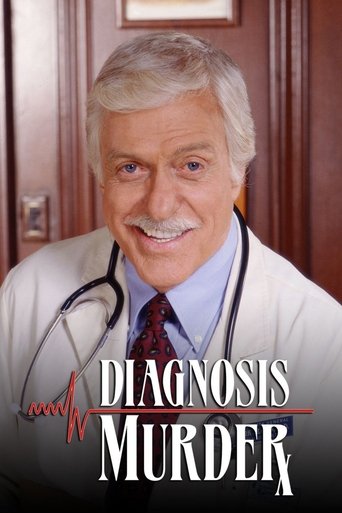
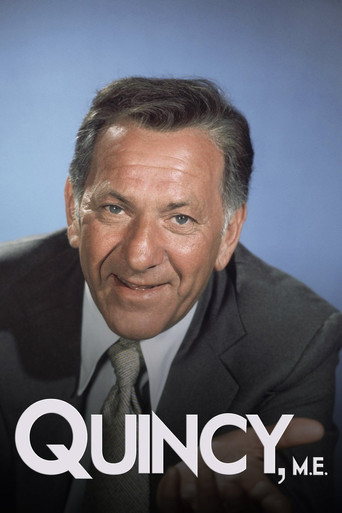
ER, of 1994, the emergency room of Chicago, ran for fifteen seasons and 331 episodes, and its city returns in Chicago Med, of 2015, by Dick Wolf, still returning after eleven seasons, rated 8.3. Scrubs, of 2001, the comedy of the young doctors of Sacred Heart, rated 8.2; Private Practice, of 2007, the spin-off of Grey's Anatomy, and Nip/Tuck, of 2003, the plastic surgeons of FX, follow. The doctors who solve crimes are the oldest of the shelf: Quincy, M.E., of 1976, with Jack Klugman as a medical examiner of Los Angeles, 148 episodes, and Diagnosis: Murder, of 1993, with Dick Van Dyke, 178. Royal Pains, of 2009, a doctor of the Hamptons; Doogie Howser, M.D., of 1989, the doctor of sixteen with Neil Patrick Harris, and St. Elsewhere, of 1982, the hospital of Boston whose last episode suggested that the whole series had been imagined by a child, complete the shelf. The guide Medical dramas follows the shelf.
Science fiction and fantasy
The shelf Science fiction and fantasy holds thirteen series from 1987 to 2014, and it is the most voted shelf of the guide, with about 75,800 votes, and nine of its series are rated 8 or more. Its most voted is The Walking Dead, of 2010, for AMC, the survivors led by Rick Grimes in a world of zombies, eleven seasons and 177 episodes, with about 18,300 votes, the most voted series of the guide. The CW made The Flash, of 2014, 184 episodes; Arrow, of 2012, 170, and The Vampire Diaries, of 2009, 171, rated 8.3, and it took over from The WB Supernatural, of 2005, the brothers Winchester and the monsters of America, fifteen seasons and 327 episodes, the longest-running American fantasy series, rated 8.3.
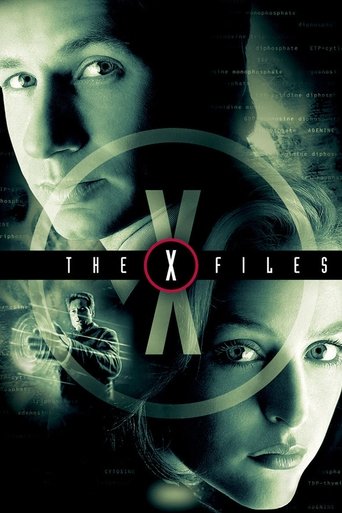
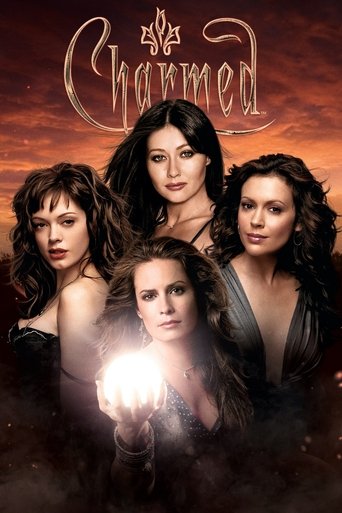
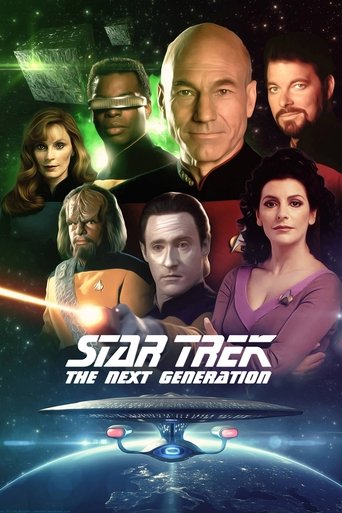
The best rated series of the shelf, at 8.4, are The X-Files, of 1993, with David Duchovny and Gillian Anderson as Mulder and Scully, eleven seasons and 218 episodes, and Star Trek: The Next Generation, of 1987, with Patrick Stewart as Captain Picard, seven seasons and 176 episodes made for syndication. Star Trek also gives Star Trek: Voyager, of 1995, a ship lost on the far side of the galaxy, 169 episodes. Stargate SG-1, of 1997, the soldiers who travel through a gate between the stars, ran for ten seasons and 214 episodes, first on Showtime and then on the Sci Fi Channel, rated 8.3; Smallville, of 2001, the youth of Clark Kent, ten seasons and 216 episodes, 8.2. Charmed, of 1998, the three sister witches, 178 episodes, 8.2; Buffy the Vampire Slayer, of 1997, 144, and Once Upon a Time, of 2011, the heroes of the fairy tales in a town of Maine, 156, complete it. The guide Science fiction and fantasy follows the shelf.
Anime long runners
The shelf Anime long runners holds thirteen Japanese series from 1979 to 2017, and it is the best rated shelf of the guide, with an average of 8.24 and ten series rated 8 or more, and by far the longest, with about 8,100 episodes, eight of them on TV Tokyo. Its most voted is Naruto Shippūden, of 2007, the ninja of the village of the Leaf, now a teenager, 500 episodes after the 220 of Naruto, of 2002, and before the 293 of Boruto: Naruto Next Generations, of 2017, the story of his son, so that the family of Naruto fills more than a thousand episodes. The best rated is One Piece, of 1999, at 8.8, still returning after about 1,180 episodes.
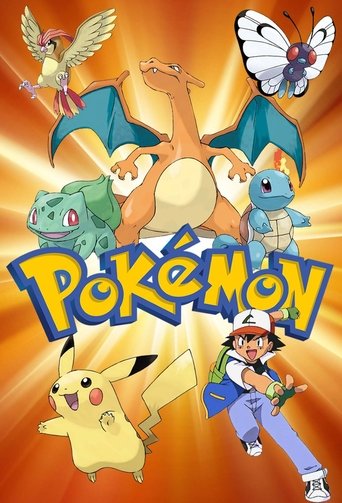
Three more have passed a thousand episodes: Doraemon, of 1979, the robot cat from the future, the longest of the shelf with 1,836 episodes by the count of TMDB; Pokémon, of 1997, the journeys of Ash and Pikachu, 1,235, and Detective Conan, of 1996, the detective shrunk into the body of a child, 1,218, still returning. The great series of the shōnen magazines complete the shelf: Bleach, of 2004, 416 episodes, still returning; Dragon Ball Z, of 1989, 291, rated 8.4; InuYasha, of 2000, the half-demon and the schoolgirl in feudal Japan, rated 8.6; Black Clover, of 2017, the newest series of the guide, 8.5; Fairy Tail, of 2009, 328 episodes, and Yu-Gi-Oh! Duel Monsters, of 2000, the card game, 8.3. The guide Anime long runners follows the shelf.
Drama across the decades
The third family, Drama across the decades, holds the classics of the 1950s to 1970s, the teen dramas, the family dramas and the British long runners. Its 52 series carry about 50,400 votes, with an average rating of 7.59, and its most voted are Riverdale, Teen Wolf, Shameless and Pretty Little Liars. The guide Drama across the decades sums up the family.
Classics of the 1950s to 1970s
The shelf Classics of the 1950s to 1970s holds thirteen series from 1951 to 1978, nine of them from CBS, the network of the golden age of American television, and it holds the oldest series of the guide, I Love Lucy, of 1951, with Lucille Ball and Desi Arnaz, 180 episodes filmed in front of an audience with three cameras, a method that every sitcom later copied. Its longest is Gunsmoke, of 1955, with James Arness as the marshal Matt Dillon of Dodge City, twenty seasons and 635 episodes, the longest-running drama of American prime time for decades, and Bonanza, of 1959, the Cartwright family on their ranch of Nevada, followed with 431 episodes.
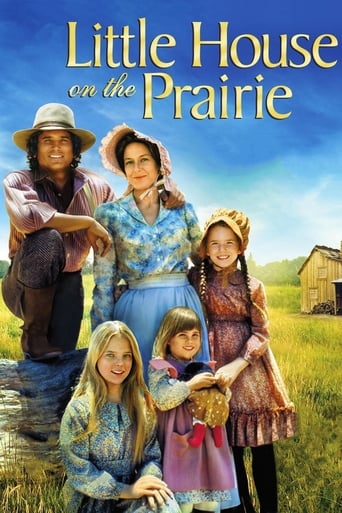
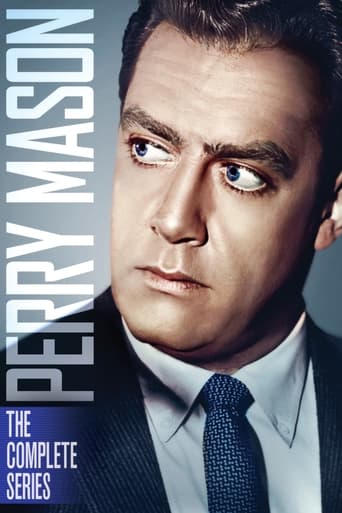
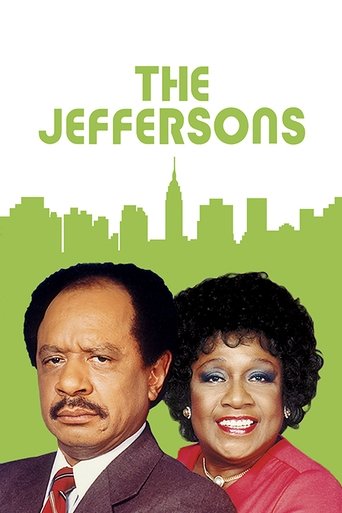
The best rated series of the shelf is The Twilight Zone, of 1959, by Rod Serling, the anthology of the strange, five seasons and 156 episodes, rated 8.5, followed by Little House on the Prairie, of 1974, at 8.0. The sitcoms of the shelf are Bewitched, of 1964, 254 episodes; The Andy Griffith Show, of 1960, 249; Hogan's Heroes, of 1965, the prisoners of a German camp; All in the Family, of 1971, by Norman Lear, and its spin-off The Jeffersons, of 1975, 248 episodes, and Happy Days, of 1974, the 1950s seen from the 1970s, 252. Perry Mason, of 1957, with Raymond Burr as the lawyer who wins nearly every case, 271 episodes, and Dallas, of 1978, the oil family of the Ewings, 357, with its cliffhanger Who shot J.R.?, complete the shelf. The guide Classics of the 1950s to 1970s follows the shelf.
Teen dramas
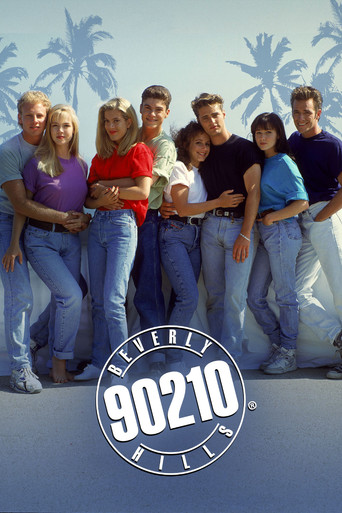
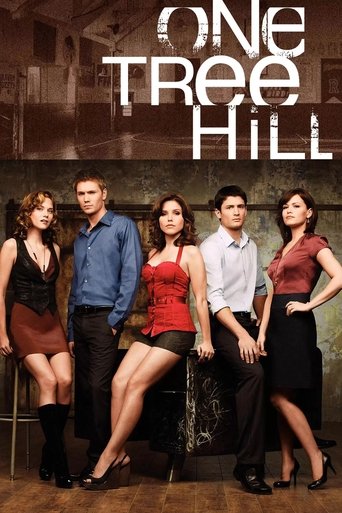
The shelf Teen dramas holds thirteen series from 1990 to 2017 of high schools, first loves and secrets. Its most voted is Riverdale, of 2017, by Roberto Aguirre-Sacasa, the teenagers of the comics of Archie in a town of murders, seven seasons and 137 episodes, with about 13,800 votes and an 8.4, level with Teen Wolf, of 2011, for MTV, the werewolf of high school, exactly a hundred episodes. The longest is Beverly Hills, 90210, of 1990, by Darren Star, the students of West Beverly High, ten seasons and 284 episodes, the model of the teen drama of the 1990s, followed by One Tree Hill, of 2003, the two half-brothers of a town of North Carolina, 186 episodes.
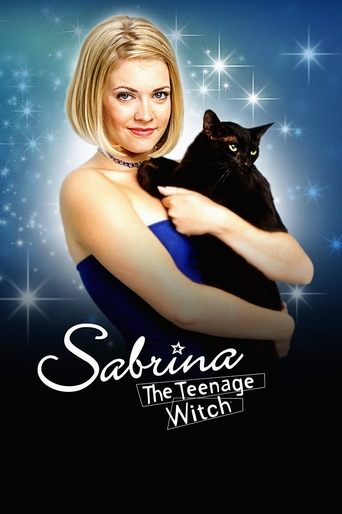
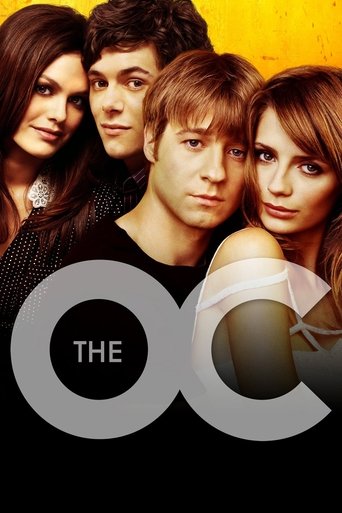
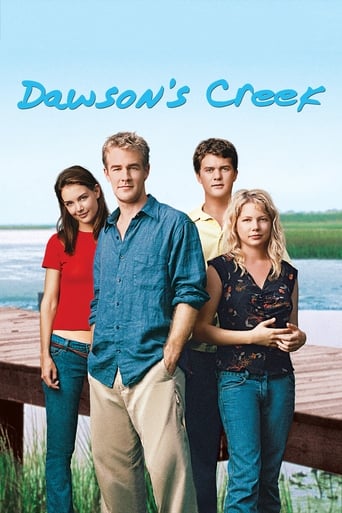
Pretty Little Liars, of 2010, the four friends and the mysterious A, 161 episodes, and Gossip Girl, of 2007, the rich teenagers of the Upper East Side, 121, both rated 8 or more, carried the genre into the 2010s; Boy Meets World, of 1993, the school years of Cory Matthews, is rated 8.3. The shelf also holds the comedies of the young: Sabrina, the Teenage Witch, of 1996, 163 episodes; iCarly, of 2007, for Nickelodeon, the web show of a girl of Seattle, and Hannah Montana, of 2006, the schoolgirl who is secretly a pop star. Glee, of 2009, the glee club of a high school of Ohio; The O.C., of 2003, by Josh Schwartz, the boy from the wrong side who moves to Newport Beach, and Dawson's Creek, of 1998, by Kevin Williamson, complete it. The guide Teen dramas follows the shelf.
Family dramas
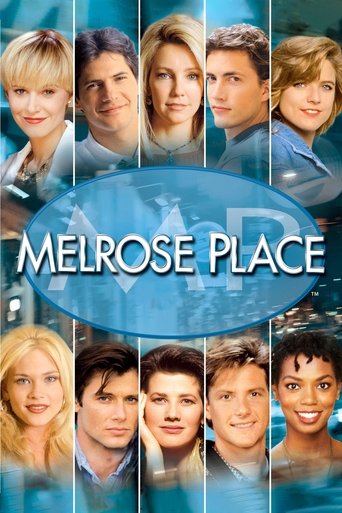
The shelf Family dramas holds thirteen series from 1992 to 2016 of parents, children and houses full of secrets. Its most voted is the American Shameless, of 2011, for Showtime, with William H. Macy as the drunken father of six children of Chicago, eleven seasons and 134 episodes, rated 8.2, the remake of the British series that sits on the British shelf of the guide. The longest is the Canadian Heartland, of 2007, for CBC, a family of a horse ranch of Alberta, nineteen seasons and 279 episodes, the longest-running scripted drama of Canadian television, still returning, rated 8.2, followed by 7th Heaven, of 1996, the family of a minister, 243 episodes, and Melrose Place, of 1992, the apartment complex of Los Angeles, 226.
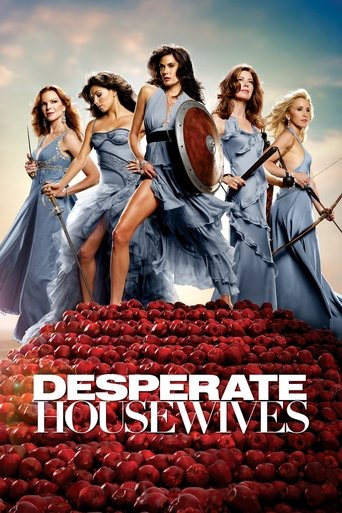
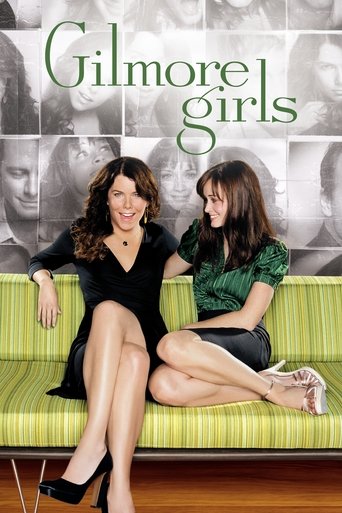
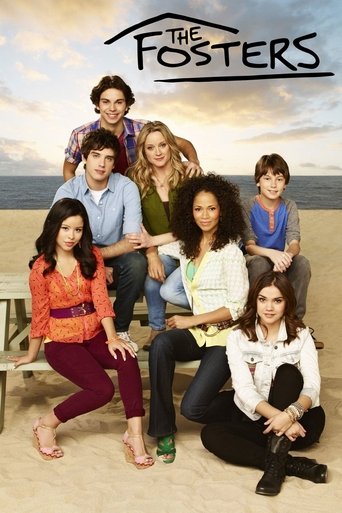
The best rated series of the shelf, at 8.3, is When Calls the Heart, of 2014, for Hallmark, a teacher in a mining town of Canada in the 1910s, still returning after thirteen seasons; This Is Us, of 2016, the Pearson family across the decades, follows at 8.2. Desperate Housewives, of 2004, the women of Wisteria Lane, 177 episodes; Gilmore Girls, of 2000, the mother and daughter of Stars Hollow, 153; Party of Five, of 1994, five orphaned siblings of San Francisco; Parenthood, of 2010; Brothers and Sisters, of 2006; The Fosters, of 2013, and Switched at Birth, of 2011, two girls exchanged at birth, one of them deaf, complete the shelf. The guide Family dramas follows the shelf.
British long runners
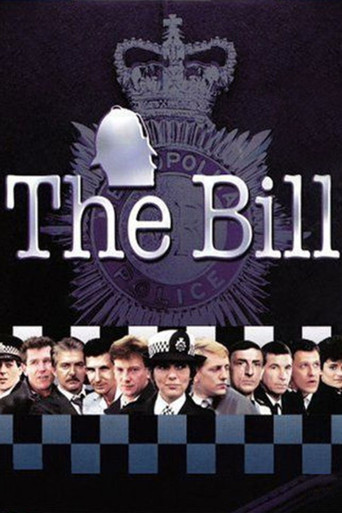
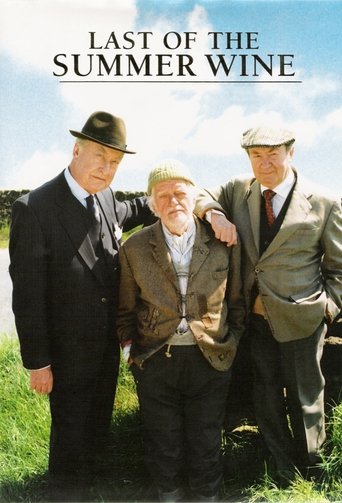
The shelf British long runners holds thirteen series from 1968 to 2011, seven of them from BBC One, and with about 4,200 episodes it is one of the longest shelves of the guide. Its longest by far is The Bill, of 1984, for ITV, the police of the fictional Sun Hill station in London, 26 seasons and 2,373 episodes by the count of TMDB, the longest series of the whole guide, which ran twice a week for many years. Heartbeat, of 1992, the village police of the Yorkshire moors in the 1960s, ran for eighteen series and 372 episodes; Last of the Summer Wine, of 1973, the old friends of a town of Yorkshire, for 31 series and 269 episodes, and Silent Witness, of 1996, the forensic pathologists of the BBC, is still returning after 29 series.
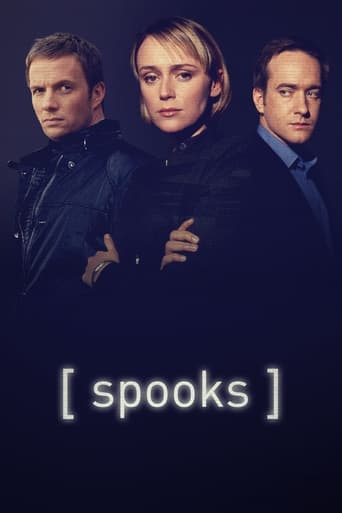
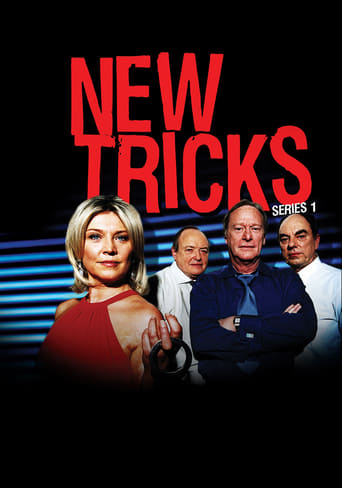
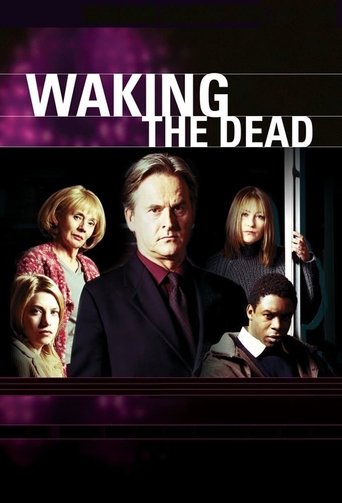
The best rated of the shelf, at 8.3, is Doc Martin, of 2004, for ITV, the surgeon who becomes the grumpy doctor of a village of Cornwall, followed by Red Dwarf, of 1988, the last human alive in space, three million years from Earth, at 8.1. Midsomer Murders, of 1997, the murders of a pretty county of England, still returning after 25 series; Death in Paradise, of 2011, the detective of London on a Caribbean island; Spooks, of 2002, the officers of MI5; New Tricks, of 2004, the old detectives back to solve cold cases; Waking the Dead, of 2001; the British Shameless, of 2004, by Paul Abbott, and Dad's Army, of 1968, the Home Guard of a seaside town, complete it. The guide British long runners follows the shelf.
The longest of all
Thirteen series of the guide have passed five hundred episodes by the count of TMDB, and they come from four countries and every kind of television. The longest is the British The Bill, with 2,373 episodes from 1984 to 2010, a police series that at its height went out two or three times a week. Japan holds the next four: Doraemon, with 1,836 episodes of the robot cat since 1979; Pokémon, with 1,235; Detective Conan, with 1,218, and One Piece, with about 1,180, the last two still returning. The Simpsons follows with 808, the longest American series of the guide, then SpongeBob SquarePants with 666, Gunsmoke with 635, Law & Order: Special Victims Unit with 594, PAW Patrol with 578, the original Law & Order with 544, NCIS with 507 and Naruto Shippūden with exactly 500.
The list shows the three ways of running long. Animation is the first: eight of the thirteen are cartoons or anime, whose characters stay young and whose voices can be replaced. The procedural is the second: Law & Order, Special Victims Unit and NCIS tell a new case each week, with a cast that changes slowly over the decades. The third is the habit of a nation: The Bill on British evenings, Gunsmoke on the evenings of America from 1955 to 1975, Doraemon on the evenings of Japanese children for more than forty years. The collection 500 episodes or more gathers them, longest first.
Still on the air
Thirty series of the guide are still returning with new episodes, by the status that TMDB records, and some of them began before many of their viewers were born. The Simpsons, of 1989, has been renewed into its fourth decade; South Park, of 1997, and Family Guy, of 1999, are close behind; One Piece, of 1999, and Detective Conan, of 1996, still air every week in Japan. In drama, Grey's Anatomy, of 2005, Law & Order: Special Victims Unit, of 1999, and Criminal Minds, of 2005, have each run for close to twenty seasons or more, and Dick Wolf's Chicago series, Chicago P.D. and Chicago Med, are still going.
The returning series also include the British Silent Witness, Midsomer Murders and Death in Paradise, the Canadian Heartland and the Hallmark When Calls the Heart, and the cartoons of the children, from Peppa Pig to Teen Titans Go! and PAW Patrol. King of the Hill came back in 2025 after fifteen years away, and Phineas and Ferb after a decade. The collection Still returning gathers the thirty, most voted first.
The faces of the long runners
A long runner can give an actor a role for most of a career. Mariska Hargitay has played Olivia Benson in Law & Order: Special Victims Unit since 1999, more than a quarter of a century, the longest run of any actor in a role of American prime-time drama; Ellen Pompeo played Meredith Grey in Grey's Anatomy for nineteen seasons, and Mark Harmon led NCIS as Leroy Jethro Gibbs from 2003 to 2021. James Arness was the marshal Matt Dillon of Gunsmoke for all twenty seasons, Kelsey Grammer was Frasier Crane for twenty years across Cheers and Frasier, and Jared Padalecki and Jensen Ackles drove the Impala of Supernatural for fifteen seasons. Tom Selleck led the family of Blue Bloods for fourteen.
The voices of animation last longest of all. Dan Castellaneta has voiced Homer Simpson since the shorts of 1987, before the series began; Tom Kenny has voiced SpongeBob since 1999; Mayumi Tanaka has been the voice of Luffy in One Piece since its first episode, and Rica Matsumoto was the voice of Ash in Pokémon for twenty-five years. In Britain, the actors of Last of the Summer Wine grew old with their characters over 37 years, and Peter Sallis played Clegg from the first episode of 1973 to the last of 2010. The guide The stars lists the faces and voices of the guide.
Spin-offs and families of series
Many long runners of the guide gave birth to others, and some of the children ran as long as their parents. Frasier, of 1993, took the psychiatrist of Cheers to Seattle for eleven more seasons; The Jeffersons, of 1975, moved the neighbours of All in the Family to a deluxe apartment of Manhattan and ran for eleven seasons too; Law & Order: Special Victims Unit, of 1999, has now outlived the original Law & Order in seasons; NCIS: Los Angeles, of 2009, made 323 episodes after NCIS; CSI: Miami, of 2002, made 232 after the first CSI: Crime Scene Investigation, and Private Practice, of 2007, followed a surgeon of Grey's Anatomy to California.
The new century kept the habit. Young Sheldon, of 2017, told the childhood of the hero of The Big Bang Theory for seven seasons; Boruto: Naruto Next Generations, of 2017, followed the son of the hero of Naruto and Naruto Shippūden; Chicago P.D. and Chicago Med grew from Chicago Fire, the first of the Chicago series of Dick Wolf, and The Flash began as a character of Arrow before getting his own series. Even Futurama, from the creator of The Simpsons, and American Dad!, from the creator of Family Guy, are cousins rather than children. The guide Spin-offs follows these families of series.
The makers of the long runners
Dick Wolf is the creator who appears most often in the guide, with four series that together hold more than 1,600 episodes: the original Law & Order, of 1990, Law & Order: Special Victims Unit, of 1999, and the Chicago series of NBC, Chicago P.D., of 2014, and Chicago Med, of 2015. Chuck Lorre made three sitcoms of CBS, Two and a Half Men, The Big Bang Theory and Young Sheldon, more than 680 episodes in all; Greg Daniels made The Office, Parks and Recreation with Michael Schur, and King of the Hill with Mike Judge. David Shore links the two great doctors of the guide, House and The Good Doctor; Matt Groening links The Simpsons and Futurama, Seth MacFarlane Family Guy and American Dad!, Shonda Rhimes Grey's Anatomy and Private Practice, and Kevin Williamson Dawson's Creek and The Vampire Diaries. Greg Berlanti and Andrew Kreisberg made Arrow and The Flash, and Jeff Davis created both Criminal Minds and Teen Wolf. The guide The creators follows them.
The networks
CBS is the first network of 27 series of the guide, the network of the crime procedural, from NCIS and the CSI series to Criminal Minds and Blue Bloods, and of the sitcoms of Chuck Lorre and the classics of the 1950s and 1960s, from I Love Lucy to Gunsmoke. NBC follows with twenty, from Cheers and Friends to the series of Dick Wolf; FOX with eighteen, from The Simpsons and The X-Files to House; ABC with sixteen, from Bewitched to Grey's Anatomy and The Good Doctor. TV Tokyo, the home of the anime, and The WB, the network of the teen dramas of the 1990s, have eight each, BBC One seven and Nickelodeon six. The guide The networks lists them all.
WatchEpisodes in figures
The 156 series of the guide carry about 374,400 votes on TMDB, with an average rating of 7.75, and 61 of them reach 8 or more; the collection Rated 8 or more gathers them, best first, from One Piece at 8.8 and Rick and Morty at 8.7 to House, InuYasha, Regular Show and The Office at 8.6. The most voted are The Walking Dead, with about 18,300 votes, Riverdale, The Good Doctor, The Big Bang Theory, The Flash and Rick and Morty. Together they hold 1,691 seasons and about 42,300 episodes; the longest is The Bill, with 2,373, and the shortest are the British series of short seasons, Red Dwarf with 73, Dad's Army and Doc Martin with 77.
By the decade of their first episode, the guide holds five series of the 1950s, four of the 1960s, nine of the 1970s, eleven of the 1980s, forty of the 1990s, 54 of the 2000s and 33 of the 2010s. Comedy is the first genre of 49 series, drama of 34 and animation of 31, and of the 156 series, 120 have ended, six were cancelled and thirty are still returning. The guide The figures gathers every number.
Where to begin
For a first marathon, take one long runner from each family: The Simpsons or Friends for comedy and animation, House or The X-Files for crime, medicine and other worlds, and The Twilight Zone or Doc Martin for drama across the decades. Then choose a habit for the year: One Piece for a voyage of more than a thousand episodes, Gunsmoke for twenty seasons of the West, Star Trek: The Next Generation for seven years in space, Supernatural for fifteen years on the road and Heartland for a family that is still riding. For a lighter year, the sitcoms run fastest: an episode of Cheers, Frasier or The Big Bang Theory lasts about twenty-two minutes, so that a whole series can be watched in a few months of evenings, while a single season of Criminal Minds or ER fills a month. Families with young children can share Arthur, Hey Arnold! or Phineas and Ferb, and anyone curious about the oldest television of the guide can start with I Love Lucy and The Andy Griffith Show, the comedies that the whole of America watched together in the 1950s and 1960s. The guide Start with WatchEpisodes gives a first route.
How to use WatchEpisodes
The home page opens with an introduction in a dark box under the black header and the board Browse Series, with the twelve shelves in three columns, one per family, each on a rounded row with a crimson numbered circle like the old Trending Series, the family in small grey capitals, the name of the shelf in pale grey and its number of series in green beside a small arrow. Each row of posters sits in a dark box with a light title and a See all link, which opens the full shelf. The menu in the header leads to the three families, and the search box finds any series by its title; the guide Search tips explains how.
Each poster shows the year of the first episode on a dark tag, the TMDB rating on a crimson tag and, on a black band at the bottom, the tag of its shelf, for example Sitcom or Anime; under the poster come the title, the first genre and the number of episodes. The series page has the English synopsis, the creators, the cast, the network and the list of episodes, season by season. The Watch now button opens the series on JustWatch, which shows the services that offer it in your country, and the button Add to My List keeps it in My list, stored in your browser. The guide How to use WatchEpisodes explains each part, and the guide The Watch now button explains how JustWatch works.
Questions
What is WatchEpisodes
An English guide to 156 long-running series of a hundred episodes or more, on twelve shelves in three families.
How were the series chosen
By hand from TMDB, among the series with a hundred episodes or more by its count, with a few British series of short seasons.
Which series has the most episodes
The Bill, with 2,373 episodes from 1984 to 2010.
Which American series has the most episodes
The Simpsons, with 808 episodes and still returning.
Which series has the most votes
The Walking Dead, with about 18,300 votes.
Which series is the best rated
One Piece, with an 8.8.
Which is the oldest series
I Love Lucy, first shown in October 1951.
How many series are still returning
Thirty of the 156, from The Simpsons to One Piece and Grey's Anatomy.
Where can I watch the series
The Watch now button opens each series on JustWatch, which shows the services that offer it in your country.
Where is My list kept
In your browser, on the device where you create it.
